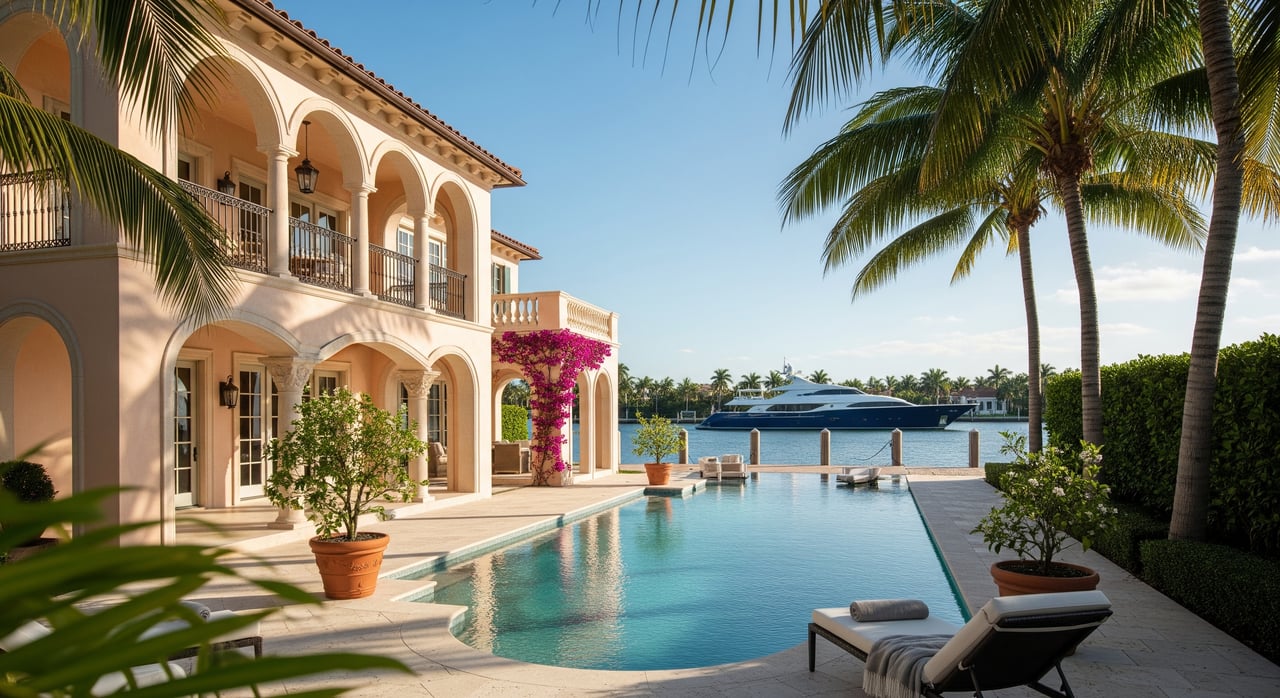
If you have ever wondered why Palm Beach homes seem to trade hands faster in winter than summer, you are not imagining it. The island and the broader West Palm Beach–Boca Raton–Delray Beach metro follow a distinct seasonal rhythm that affects when listings debut, how buyers behave, and what sellers can expect at the closing table. If you are planning a move, timing can influence price, days on market, and the level of competition you face.
In this guide, you will learn how the high season and low season shape inventory, pricing power, and deal velocity. You will also see practical strategies to align your plan with the calendar, whether you are buying, selling, or quietly exploring off-market options. Let’s dive in.
What drives Palm Beach season
Palm Beach’s high season runs broadly from November through April, with peak activity in January to March. The low season falls in late spring and summer, from May through October. These cycles are shaped by climate and lifestyle, the winter social calendar, school schedules, and international travel patterns.
On the island, many owners use properties as second homes and cluster their time in winter. That means buyers and sellers are physically present and engaged during the social season. Charity galas, club events, and community gatherings create more opportunities for showings and introductions. The broader county metro is still seasonal, yet it includes more primary residences, so it tends to be less extreme than the island.
Economic conditions can amplify or soften these patterns. Interest rate shifts and market sentiment can change urgency and negotiation behavior. Even so, the core seasonal rhythm has held steady for years and continues to shape the path to a successful sale.
High season: November to April
High season is the moment when inventory expands, buyers show up in force, and premium listings see the most action. If you want maximum exposure or want to shop the best cross-section of properties, this is when the spotlight is brightest.
Inventory and choice
During high season, more new island listings come to market because sellers target the winter crowd. You will see a deeper bench of move-ready estates and waterfront properties. The increase in choice can be impressive, but it also attracts more qualified buyers looking for the same top-tier homes.
It is important to remember that more inventory does not automatically mean easier buying. The best-in-class properties can draw immediate attention. You will want clean preparation, swift decision-making, and a plan to engage if a perfect fit appears.
Pricing power and offers
Pricing power tends to be strongest in high season for well-presented and properly priced homes. With more qualified buyers in town, price discovery is efficient. Sellers often receive multiple strong offers for premium listings. If you are a buyer, you should expect competitive dynamics and be prepared to demonstrate funds or a jumbo pre-approval.
For sellers, this is the window to showcase the home at its best. Crisp photography, thoughtful staging, and targeted broker outreach can compound the season’s momentum. For unique or highly customized estates, high season also widens the audience of sophisticated buyers who understand one-of-a-kind attributes.
Days on market
Days on market typically compress during high season. Well-priced, move-ready listings can move from first showing to contract in weeks rather than months. That does not mean every sale is fast. Ultra-luxury transactions can still require extended due diligence and bespoke terms. The seasonal advantage is most visible on homes that align with current buyer preferences and are priced with confidence.
Buyer profile and off-market
High season brings a larger share of out-of-state and international buyers, many of whom purchase second homes or use cash. Discretion is a priority for this group. Off-market and pocket listings are more common during the social season, so the best opportunities may never appear publicly. If you are buying, relationships with active luxury brokers matter. If you are selling, a private-market strategy can give you control over exposure and timing while reaching serious prospects.
Low season: May to October
Low season overlaps with Florida’s hot and humid months and much of hurricane season. Visitor traffic is lighter. That changes the pace, but it can also create advantages for certain goals.
Inventory patterns
Some sellers withdraw or delay listings into fall. The public inventory that remains can include homes that did not capture peak-season interest or that are working through price or condition fine-tuning. If you are a buyer, low season lets you focus on a smaller set of options and negotiate on your own timetable. If you are a seller who must remain active, clarity on pricing and positioning becomes more important.
Negotiation and leverage
In low season, motivated sellers may engage on price or concessions. Buyers can negotiate for items like favorable closing timelines or improvements. This does not mean broad discounts across the board. Trophy properties can command strength in any month. The opportunity is in matching your goals to the calendar. If you value leverage and time to evaluate, summer can be a useful window.
Timing, insurance, and closings
Hurricane season can affect comfort levels with inspections and closings. Lenders and title companies sometimes adjust timing around storm forecasts. Buyers may add contract language to address weather delays. Flood insurance, elevation, and coastal disclosures are common topics for island homes. If your closing falls in late summer or early fall, plan ahead for logistics and underwriting timelines.
Timing strategies for sellers
If your priority is maximum exposure and the highest probability of competing offers, align your launch with high season. Start the groundwork in late summer or early fall. That gives time for strategic improvements, landscape refresh, and marketing assets. You can then go live in November when buyer traffic builds.
If you need to sell during low season, you can still win. Focus on value that is hard to ignore. Highlight turnkey condition, smart pricing, and flexibility on timing. Targeted outreach to qualified buyers and brokers is essential. For properties that would benefit from discretion, consider a private-market approach that tests engagement without broad public exposure.
Event-driven marketing can also help. Tie broker showings to the winter social calendar to capture peak presence. For waterfront or club-adjacent homes, feature lifestyle photography that resonates with seasonal use, such as outdoor living in mild winter weather.
Tactics for buyers
If you are shopping in high season, do your homework early. Arrange proof of funds, update your jumbo pre-approval if needed, and set clear parameters before you fly in. Decide in advance which trade-offs you will accept. Strong offers and readiness to move quickly can be the difference on a coveted listing.
If your goal is negotiation leverage, explore low season. Look for properties that lingered past spring or that recently returned to market. You may be able to secure price improvement, credits, or flexible closing dates. If you prefer to avoid storm-related scheduling risk, target late fall or winter closings.
Regardless of season, the most compelling opportunities on the island often circulate privately. Ask your advisor about off-market channels, pocket listings, and network-only showings. You want to hear about the right home before it ever appears on a search portal.
Data to watch
Even without quoting figures, you can track the right indicators to confirm seasonal momentum. Watch active inventory, new monthly listings, closed luxury sales by month, and median days on market. The list-to-sale price ratio and months of supply provide context on pricing power and balance.
Cash share is another telling metric in the luxury tier. A higher share of cash buyers usually shortens timelines and reduces financing contingencies, which matters more in high season. For waterfront and island estates, pay attention to inspection items like seawalls, docks, and elevation. These elements influence underwriting and closing schedules.
Finally, look for qualitative signals that only locals see. Broker buzz about off-market activity, the pace of showings during charity weeks, or the timing of withdrawals in late spring can give you an early read on the next shift.
Final thoughts
Seasonality does not decide your outcome. It shapes the playing field. If you want maximum exposure, high season is your ally. If you value leverage and time, low season can work in your favor. The key is to align your plan with the calendar and use precise pricing, polished presentation, and the right channel for your goals.
If you are considering a sale or a confidential search on Palm Beach Island or across Palm Beach County, thoughtful timing and private-market access can change your result. For an advisory-led plan tailored to your timeline, reach out to Frank Herz - Main Site.
FAQs
What months are peak season for Palm Beach luxury sales?
- High season typically runs from November through April, with the most active months in January to March.
How does seasonality affect days on market for island listings?
- Days on market often shorten in high season when buyer traffic concentrates, and lengthen in summer when showings slow.
Are there more listings available in winter on Palm Beach Island?
- Yes. Many sellers time their launch for winter, so you usually see more new luxury listings between November and March.
Is summer a good time to negotiate on Palm Beach luxury homes?
- It can be. Motivated sellers may be more flexible on price or terms in low season, though trophy homes can hold firm year-round.
Do off-market deals increase during the social season in Palm Beach?
- Yes. Off-market and pocket listings are common in high season as buyers and sellers prioritize discretion and quick execution.
Should I avoid closing during hurricane season?
- If possible, yes. Storm forecasts can disrupt inspections and closings, so some parties prefer late fall or winter closings.
How do interest rates interact with Palm Beach seasonality?
- Rate shifts affect financed buyers’ urgency and pricing expectations, which can amplify or reduce seasonal effects.