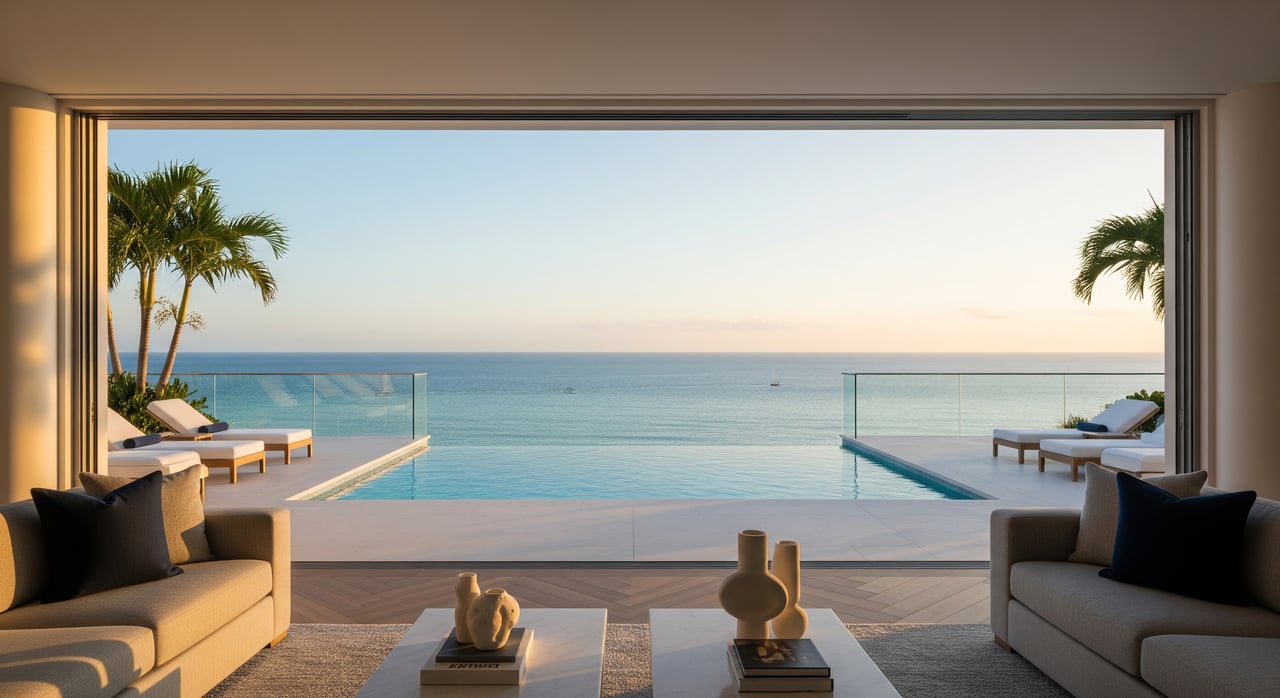
Eyeing a Palm Beach penthouse with a view that stops you in your tracks? You want privacy, service, and a smart long-term purchase, but you also need clarity on risk, carrying costs, and building health before you act. This guide breaks down how the ultra-luxury condo market on Palm Beach island really works so you can make decisions with confidence. You will learn how to weigh oceanfront vs Intracoastal, what new condo rules mean for buyers and sellers, and the due diligence that protects your investment. Let’s dive in.
What “ultra-luxury” means here
Ultra-luxury on Palm Beach island typically refers to the very top of the condo market. Think multiple‑million dollar residences, often full-floor homes and penthouses. Many analysts use a $3–5M+ threshold or the top 5–10% of transactions as a working definition.
Palm Beach island is a small, highly constrained market. Strict zoning and height limits, limited land, and a heavy concentration of single-family estates mean there are fewer condo buildings and fewer trades than in nearby cities. That scarcity funnels demand into a small set of prime buildings and exposures, which helps support values over time.
Island dynamics you should know
Inventory at the top end is thin. Small numbers of listings and closings can move pricing quickly. Seasonality also matters. Listing activity and showings typically rise in the fall and winter season, which can influence liquidity and timing for both buyers and sellers.
Price per square foot varies widely by exposure and building prestige. Oceanfront, full-service properties and penthouses often command a premium over county averages. Comparisons to West Palm Beach and Boca Raton can help for context, but remember those markets have taller buildings, more new development, and larger project pipelines than the island.
Oceanfront vs Intracoastal tradeoffs
Choosing between Atlantic frontage and Intracoastal frontage is about lifestyle, risk, and cost.
Oceanfront benefits and considerations
- Pros: direct ocean views, private beach access, dunes and shoreline living, and strong prestige that can support resale.
- Cons: more wind and salt exposure, higher likelihood of façade and system maintenance, and potentially higher wind or hurricane insurance costs.
Intracoastal benefits and considerations
- Pros: calmer water views, better boating access with potential for private docks, and generally less direct storm-surge exposure than open ocean.
- Cons: views can be interrupted by neighboring buildings or bridges, and local water conditions can vary. Specific site context matters.
Flood, elevation, and storm risk
Flood zones, base elevation, and building design deserve close attention. Even in a tall building, ground-level systems and entry points can be vulnerable to water. On the oceanfront, seawalls, dune preservation, and coastal protection are frequent capital items. Ownership responsibilities and cost sharing differ by property, so review how projects are funded and managed.
Construction quality and resiliency
Post-2021, buyers should scrutinize structure and systems. Look for impact-rated windows, elevated and protected mechanicals, backup power, and resilient mechanical, electrical, and plumbing layouts. Older buildings may need façade, balcony, waterproofing, or structural remediation. These projects can be expensive and may lead to special assessments.
Post-2021 condo rules and reserves
After the Surfside tragedy in 2021, Florida increased inspection, reporting, and reserve requirements for condominiums. Buildings, especially older ones, face new inspection timelines and higher expectations for reserve funding. For you, that means more documentation to review and a sharper focus on engineering reports and the association’s long-term capital plan. Reserve adequacy is now central to any purchase decision.
Amenity tiers and service models
Amenities affect both your lifestyle and your monthly fees.
Typical amenity tiers
- Basic luxury: concierge, secure lobby, pool, fitness room, covered parking, and storage.
- Full-service resort: 24/7 staff and concierge, valet, on-site dining or private dining rooms, spa and wellness facilities, multiple pools, beach services, guest suites, and meeting spaces.
- Ultra-exclusive: hotel-branded or private-club level services, private elevators, chef or in-residence services, tight access control, wine storage, and private boat slips.
Boutique vs large complexes
- Boutique buildings: more privacy and closer owner control. Tradeoff: fewer owners share costs, so fees per unit can be higher for comparable services and there may be governance concentration among a few owners.
- Large complexes: economies of scale, deeper amenity sets, and broader risk pooling for capital projects. Tradeoff: less privacy and more complex decision-making.
Branded residences
Hotel-affiliated or branded properties can command a price premium and deliver hotel-level services. They often come with stricter rules, distinct fee structures, and detailed rental program terms. This model suits seasonal users who value turnkey services and consistent standards.
The real cost to own
Your monthly picture is shaped by HOA fees, insurance, and taxes. In ultra-luxury buildings, HOA fees are often higher because of staffing, beachfront infrastructure, and insurance. Special assessments are not unusual, particularly in older buildings or those completing required inspections and upgrades. For property taxes, consult county records for specific parcels when you have a target building or unit in mind.
Insurance and financing
Florida windstorm and flood insurance costs have been volatile. Premiums and deductibles vary by location, exposure, and building history. Lenders pay close attention to master policy coverage, flood certifications, reserve strength, and special-assessment exposure. Some lenders may require higher down payments or limit loan sizes in buildings with high investor ratios or ongoing litigation. Your pre-approval should consider building-level underwriting, not just your personal profile.
Rental and use policies
Many ultra-luxury buildings restrict short-term rentals or limit leasing frequency to protect owner culture and building quality. Some properties operate on-site rental programs with revenue sharing and defined occupancy terms. Your purchase plan should match the building’s use rules, especially if you expect rental income or plan to host frequent guests.
Buyer due diligence checklist
Use this checklist to protect value and avoid surprises.
- Building financials: last 3 years of budgets and financial statements, current reserve study, recent or pending assessments, and the capital plan.
- Insurance: the master policy, carriers and limits, premium history, deductibles for wind and flood, and any major claims.
- Engineering: structural, façade, and balcony reports, plus elevator and mechanical maintenance records.
- Governance: the declaration, bylaws, pet rules, rental and sublet policies, guest policies, and any use restrictions.
- Litigation: status of any claims involving the association or major contractors.
- Meeting minutes: 12–24 months of HOA minutes for insight on large projects and owner sentiment.
- Unit specifics: deeded parking, storage, elevator access, boat slip rights, and any exclusive-use areas or encroachments.
- Operating profile: owner vs renter mix, seasonal occupancy patterns, and implications if the home will be a primary or secondary residence.
Seller preparation checklist
Position your property for efficient marketing and a smooth close.
- Assemble documentation: association financials, reserve studies, engineering reports, and proof of completed capital work.
- Anticipate buyer questions: reserve adequacy, upcoming assessments, insurance structure, and the building’s inspection timeline.
- Price with precision: weigh seasonality, line and floor, exposure (ocean vs Intracoastal), amenity tier, and recent building trades. Some trophy units may trade privately or off-market.
Timing and liquidity at the top end
Ultra-luxury condos may experience longer marketing times. Activity often rises during season, which can help with exposure and showings. For sellers, targeted outreach to qualified, often out-of-market buyers is key. For buyers, patient, pre‑qualified positioning can help you move first on the right opportunity.
Island vs nearby options
West Palm Beach and Boca Raton offer a different mix. You will see taller buildings, more recent construction, broader amenity packages, and larger developer pipelines. Prices and per-square-foot costs can vary, and the buyer base often includes more year-round residents. These markets can be strong alternatives if you prefer newer buildings, a wider set of amenities, or slightly different price points, while Palm Beach island remains the pinnacle for scarcity and prestige.
How to move forward with confidence
At this level, the right advisor blends white-glove service with institutional-grade analysis. You want a clear view of building health, reserve adequacy, insurance structure, and the cultural fit of each community. That combination helps you protect lifestyle and capital through changing market conditions.
If you would like a confidential conversation, private-market options, or a data-driven valuation approach tailored to your goals, connect with Frank Herz - Main Site. Discretion, rigorous analysis, and curated access come standard.
FAQs
What counts as an ultra-luxury condo in Palm Beach?
- Many analysts consider $3–5M+ or the top 5–10% of local condo trades, often including full-floor residences and penthouses.
How do oceanfront and Intracoastal condos compare on risk and cost?
- Oceanfront offers top-tier views and prestige but can face more wind, salt, and insurance expense, while Intracoastal provides boating access and calmer water with potentially different exposure to storm surge.
How have Florida’s post-2021 condo rules changed due diligence?
- You should now expect deeper engineering inspections, clearer reserve studies, and more scrutiny of building finances, all of which influence fees and potential assessments.
What should I look for in HOA financials before buying?
- Review 3 years of budgets, audited statements if available, the current reserve study, recent or pending assessments, and the association’s long-term capital plan.
Do boutique buildings usually have lower fees than large complexes?
- Not always; with fewer owners to share costs, boutique buildings can have higher per-unit fees for similar service levels compared to larger properties.
Can I rent out an ultra-luxury condo on Palm Beach island?
- Many buildings restrict or limit leasing frequency to preserve owner culture, and some run onsite rental programs with specific fees and rules, so check governing documents.
When is the best season to list or shop for an ultra-luxury condo?
- Activity often rises in fall and winter, which can improve showing volume and liquidity for sellers and create more selection and comparables for buyers.