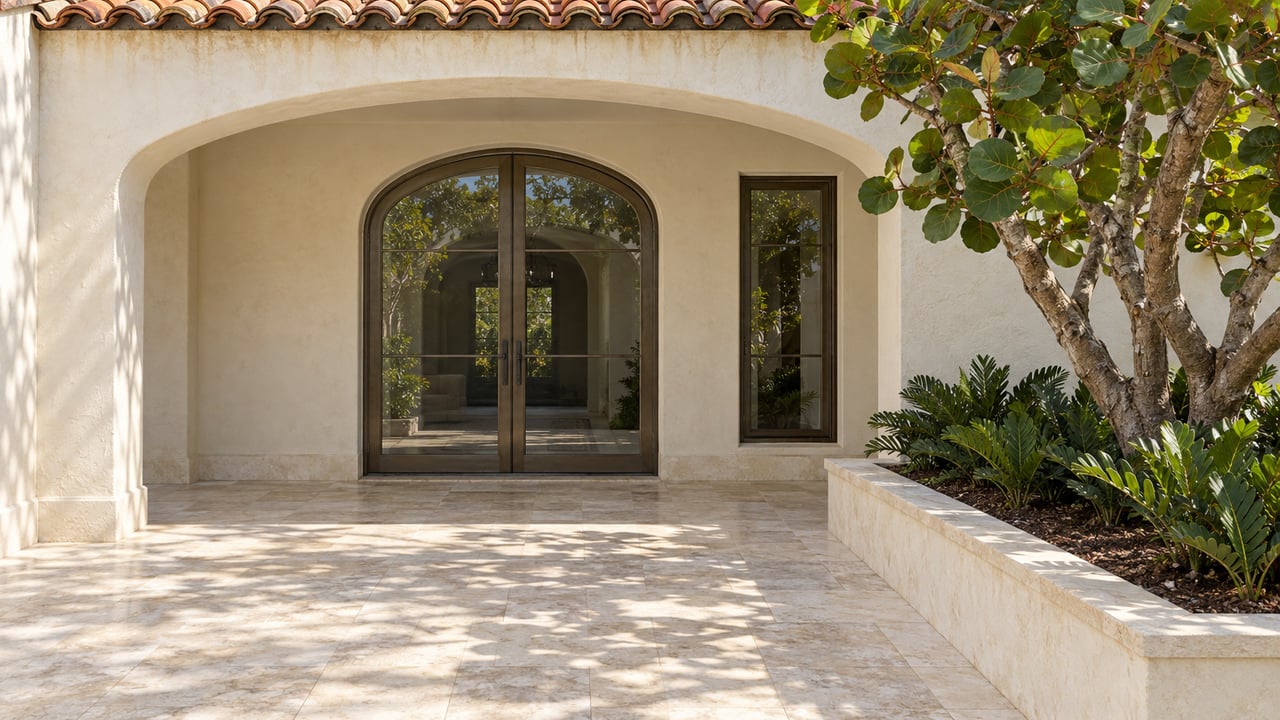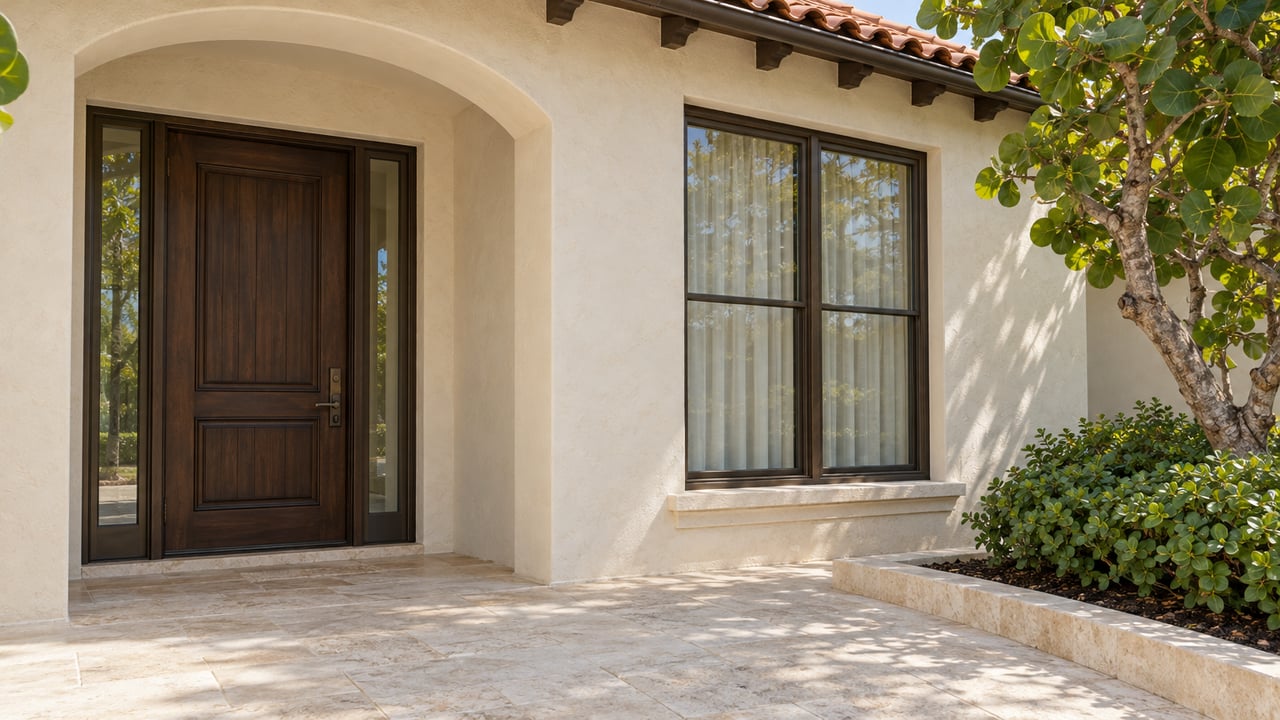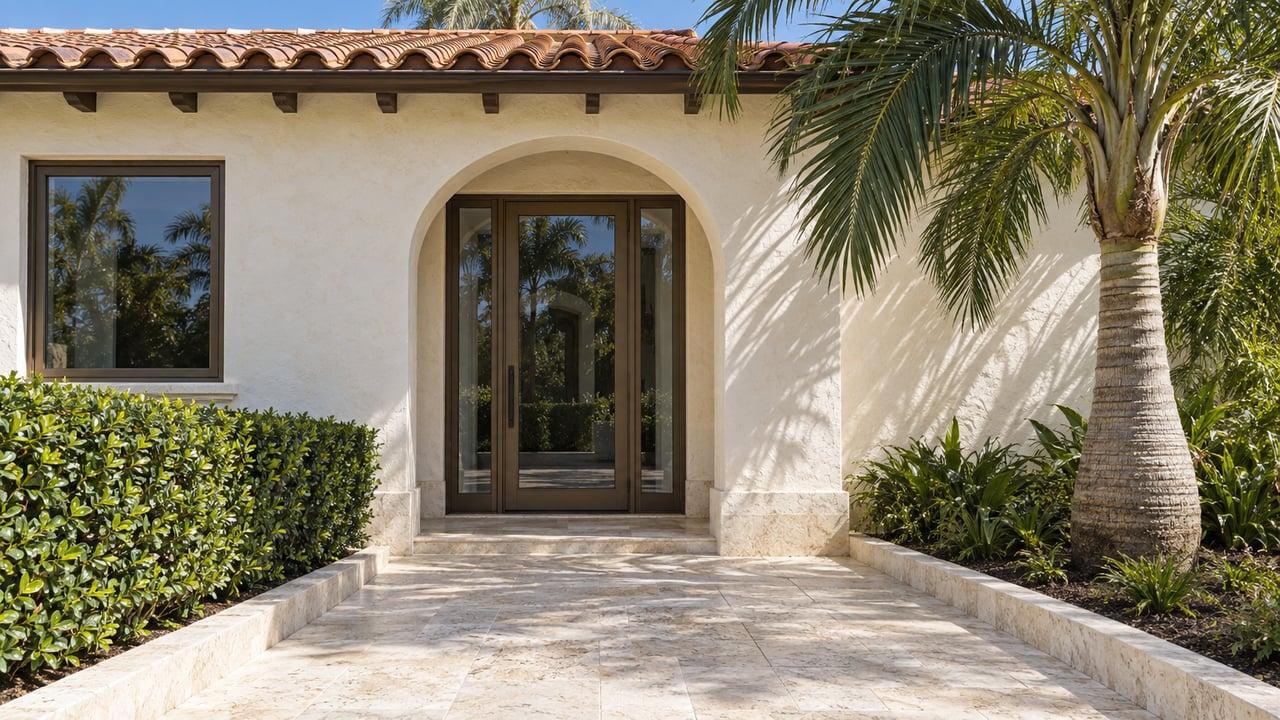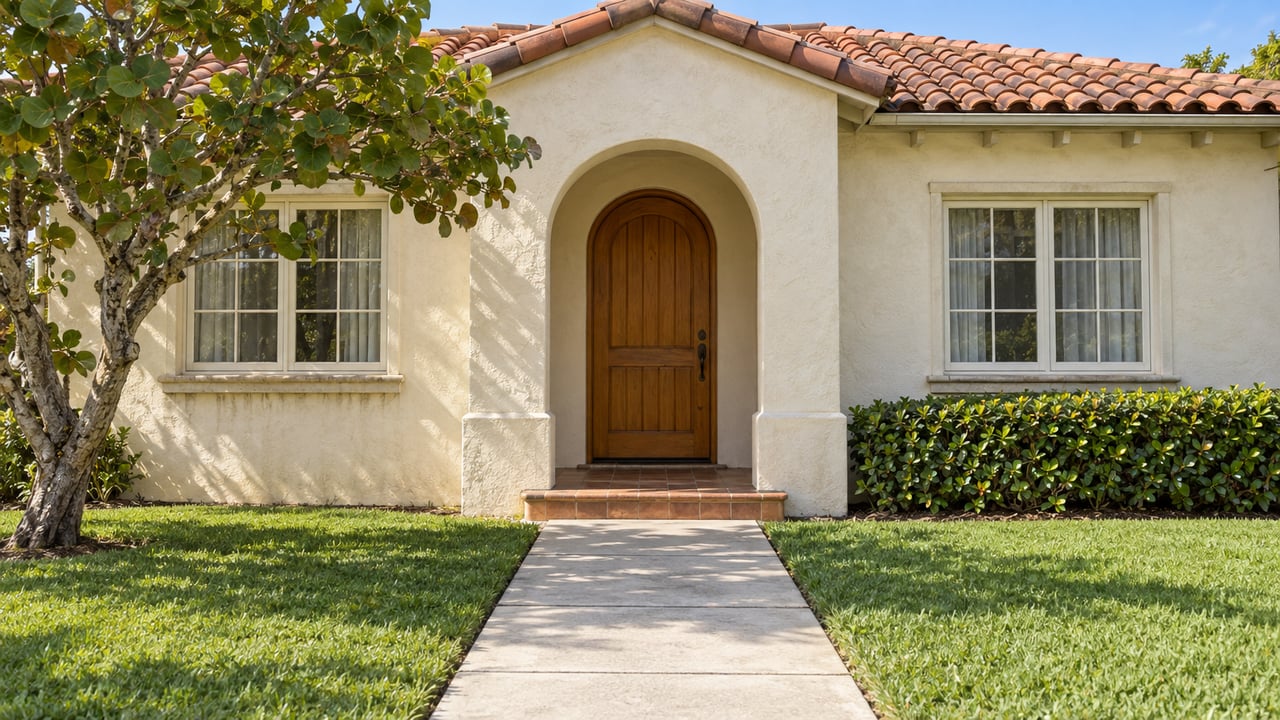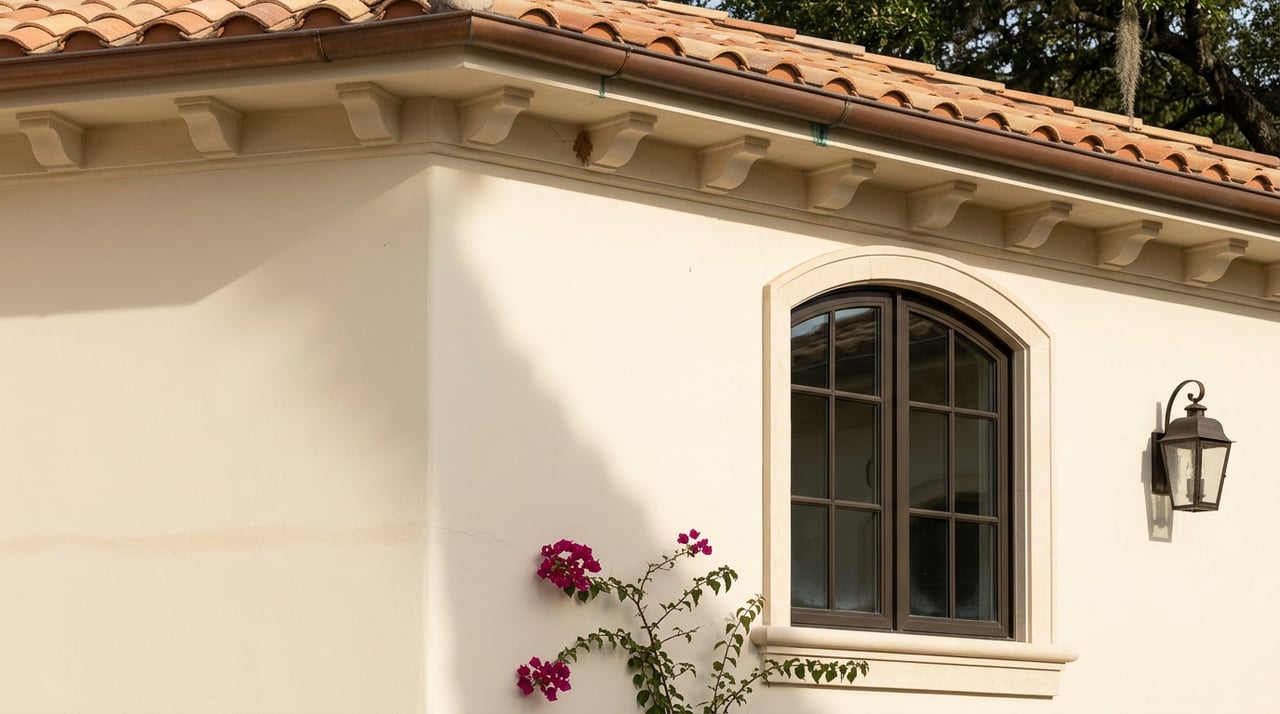
Two estates go up on the island the same week. Both are Mediterranean Revival, both hit the market at roughly the same price per square foot, both photograph like the buyer's Pinterest board. One closes and delivers a finished renovation in eighteen months. The other is still in front of a monthly commission twenty-six months later, absorbing carry the whole time. Nothing on the listing sheets predicted the difference.
The variable is regulatory overlay, and it is the single largest input into a Palm Beach estate purchase that the portals do not display. For a buyer comparing island properties in 2026, understanding which commission reviews the parcel is more consequential than debating median price. The market is real. In June 2026 Palm Beach County single-family sales rose 24.85% year over year with a median of $700,000, according to MIAMI REALTORS, and the Town of Palm Beach itself carried a three-month median near $2.6M through May 2026 per Redfin's tracking. Those numbers describe the tide. The overlay decides which boats it lifts.
The Mechanism Buyers Miss Until Contract
Every substantial exterior change on the island runs through one of two bodies. The Architectural Commission (ARCOM) reviews non-landmarked properties. The Landmarks Preservation Commission (LPC) reviews properties that are individually designated or sit within a historic district, under Chapter 54 of the Town Code. The Town itself notes that over 328 landmark properties, sites, and vistas are currently protected under the ordinance, and the LPC meets monthly with submittals due 21 days ahead of the hearing.
That calendar is the real price tag. Working practitioners on the island describe ARCOM as adding roughly six to twelve weeks on top of a permit review that itself runs twelve to twenty weeks for a new single-family. Oceanfront parcels layer on Florida's Coastal Construction Control Line process, which runs in series with ARCOM on the island rather than in parallel, adding another three to five months of idle time before a permit issues.
The result is not a hidden fee. It is a carry cost, and it is paid by the buyer.
A useful way to think about it: at any given time there are approximately eighty new or substantial single-family projects in permitting on the island, and fewer than half will deliver on the owner's original timeline. Construction is rarely the reason.
Not All Island Addresses Sit in the Same Review Environment
The overlay map does not correlate with the price map. That is what makes it the mid-market's most consistent surprise. Much of Midtown, the Sea Street area, and the El Brillo corridor in the South End sit inside a historic district, and the Everglades Club area carries the heaviest historic overlay scrutiny. The North End is looser overall but contains pockets of overlay protection. Billionaires' Row and the waterfront on South Ocean Boulevard add CCCL and shoreline protection on top of an already dense review stack.
A rough working guide for buyers comparing submarkets:
| Submarket | Typical Review Stack | What It Does to the Clock |
|---|---|---|
| El Brillo / Everglades Club area | LPC + ARCOM under Chapter 54 | Heaviest overlay scrutiny; contributing structures rarely cleared for demolition |
| Midtown / Sea Street | Historic district, LPC-led | 21-day submission window before monthly hearings |
| North End | Mostly ARCOM; pockets of overlay | Looser review; massing on smaller lots still contested |
| Billionaires' Row / South Ocean Blvd | ARCOM + CCCL in series | Adds 3–5 months of idle time on the permit track |
| Estate Section | Mix; many individually landmarked | LPC governs virtually all exterior modifications |
A buyer running a spreadsheet on price per square foot alone will treat a Midtown contributing structure and a North End teardown parcel as comparable at the same asking price. They are not. One is a project you may redesign three times before the commission approves a massing scheme. The other is a project where your architect walks in with a scheme the North End has already accommodated on similar lots.
Why Interior-Only Renovations Are the Quiet Escape Valve
The overlay governs the exterior. Interior renovations that do not affect exterior appearance generally proceed without Landmarks review, though standard building permits and ARCOM approval still apply where relevant. For a buyer who wants a landmarked address for the architecture and the tax posture but has no appetite for a two-year façade fight, this is the analytically clean lane: buy the building for what it already is, spend the capital inside.
Where this matters most is on the Estate Section and El Cid inventory that comes to market pre-restored. The exterior work is done. The next owner benefits from the review that the previous owner already carried.
The Closing-Clock Friction Buyers Do Not Model
Here is the friction that surfaces at contract, not at listing.
You can close before ARCOM approval and start design after. Most buyers do. The tradeoff is that the renovation clock starts at closing rather than at contract, and carry costs during design and review fall entirely on the buyer. Pre-application dialogue with the Town's Planning, Zoning and Building Department can compress that clock, and one of the underappreciated advantages of off-market access is the ability to open that dialogue before the parcel changes hands.
The sequence that actually plays out on a Town of Palm Beach renovation or new build looks like this:
- Pre-application and scheme development. Four to eight weeks of design before anything reaches the Town's planning desk.
- Sufficiency review. Incomplete submissions are the single most common cause of downstream delays.
- First ARCOM hearing. A well-prepared scheme clears preliminary on the first or second hearing. Rushed submissions remand repeatedly, and each remand costs a four-to-six-week cycle.
- Final ARCOM hearing with construction-document-level detail on elevations, materials, and window profiles.
- Building permit review, twelve to twenty weeks depending on the backlog.
- Construction. A 6,000 to 10,000 square foot custom residence typically runs sixteen to twenty-two months from excavation to certificate of occupancy on the island, assuming no substantial change orders.
That is the calendar the buyer inherits. Modeling those months honestly is more useful than assuming a timeline the island's review pace does not support.
The 2026 Context That Sharpens the Point
Two data points frame why this matters now.
The first is inventory concentration at the top. A 2026 forecast published by Brown Harris Stevens put the Town of Palm Beach at ninety-four houses for sale with a midpoint of $18M, and less than a quarter of that inventory sitting under $10M. In a market that thin at the top, timeline risk compounds. Every month absorbed by a review remand is a month the property is not producing use value for the buyer.
The second is regulatory drift. The Town amended the ARCOM article of the Code of Ordinances in October 2025 under Ord. 013-2025, and the Town Council seated new ARCOM members with terms beginning March 2026. Any buyer whose diligence period covers early 2026 is buying into a marginally new review environment, and the commission's disposition on massing, materials, and demolition is the thing that determines whether a scheme clears preliminary or remands.
What Diligence Should Actually Look Like
For a buyer comparing two island estates, the practical questions are not the ones the listing sheet answers.
- Is the parcel individually landmarked, contributing within a historic district, or non-contributing?
- If the intended scope changes the exterior, which body reviews it, and when does that body next meet?
- Does the parcel sit oceanward of the Coastal Construction Control Line?
- What is the Town's current permit backlog, and how does that stack under the review calendar?
- What does the pre-application conversation with the Town's planning staff surface about the specific scheme?
None of these questions are answered by price per square foot. All of them move the number the buyer actually pays.
FAQ
If a property is landmarked, can I still renovate the interior freely? Generally yes. Interior renovations that do not affect the exterior appearance typically fall outside LPC review, though building permits and ARCOM approval still apply where relevant. Kitchens, baths, room reconfigurations within existing walls, and mechanical updates usually proceed on the standard permit track.
Are off-market island estates easier to renovate? The overlay is the same. What discreet, pre-market access can offer is time, specifically the ability to run a pre-application dialogue with the Town before the parcel is owned. That is a scheduling advantage, not a regulatory one.
How does Palm Beach compare to nearby luxury markets on this specific point? Boca Raton, for example, does not have a town-wide architectural commission of equivalent authority; review sits inside individual HOA architectural boards. That is a structurally different environment, and it explains part of why Palm Beach renovations carry a longer clock than comparable projects elsewhere in the county.
The number to buy on an island estate is not the listing price. It is the listing price plus the honest carry of the review calendar attached to that specific parcel. That number is knowable before contract. It is rarely known before offer, and the gap between those two moments is where boutique advisory earns its cost.
Listings & Leases works with island buyers and sellers on precisely this diligence, coordinating pre-application dialogue and overlay analysis alongside valuation. To discuss a Town of Palm Beach acquisition or a confidential listing under Chapter 54 review, request Private Market access.