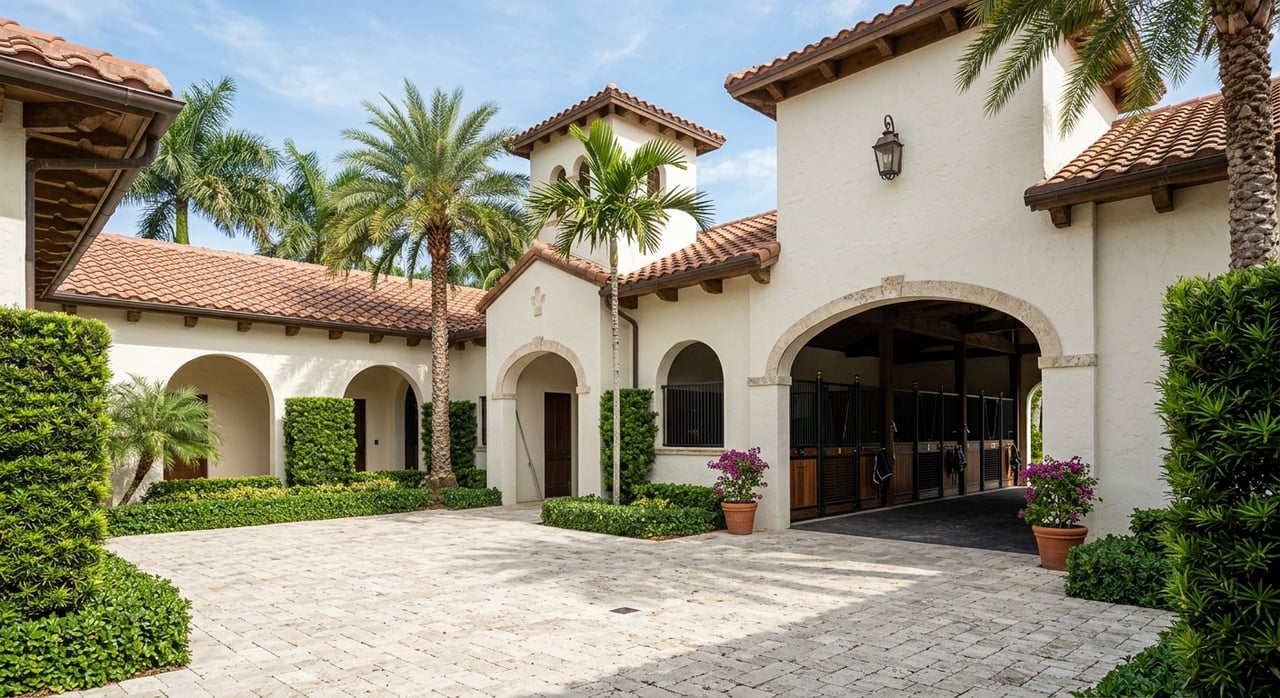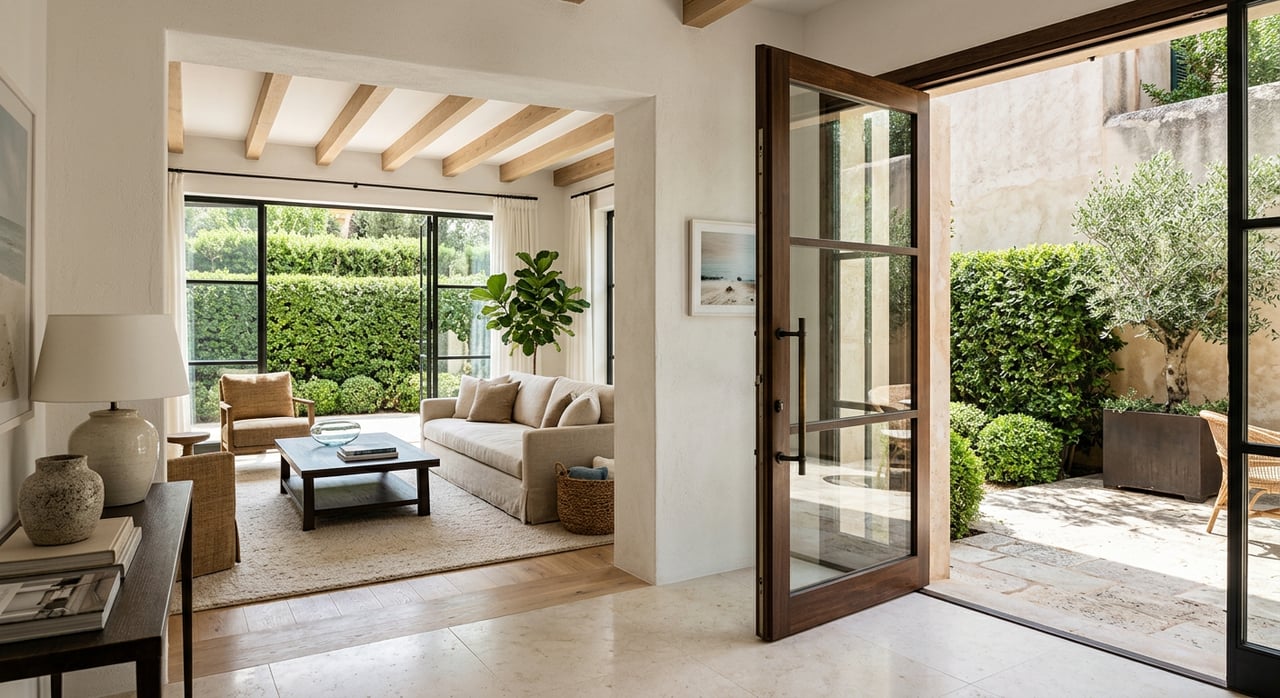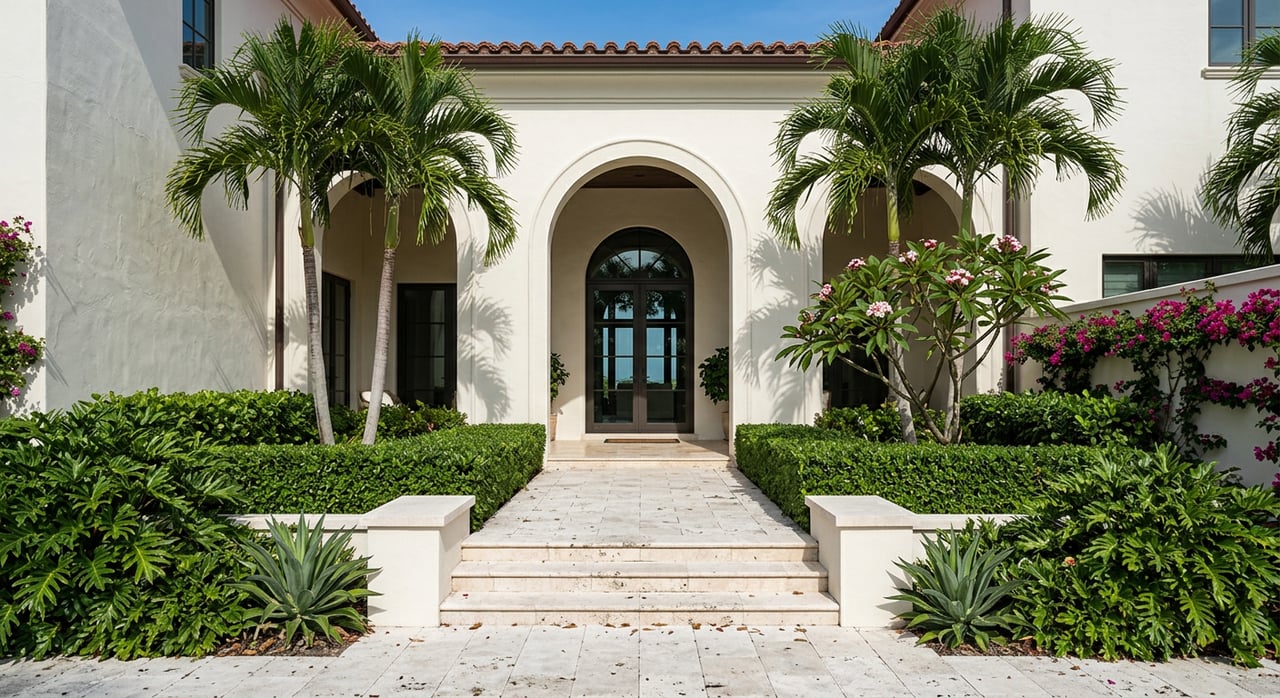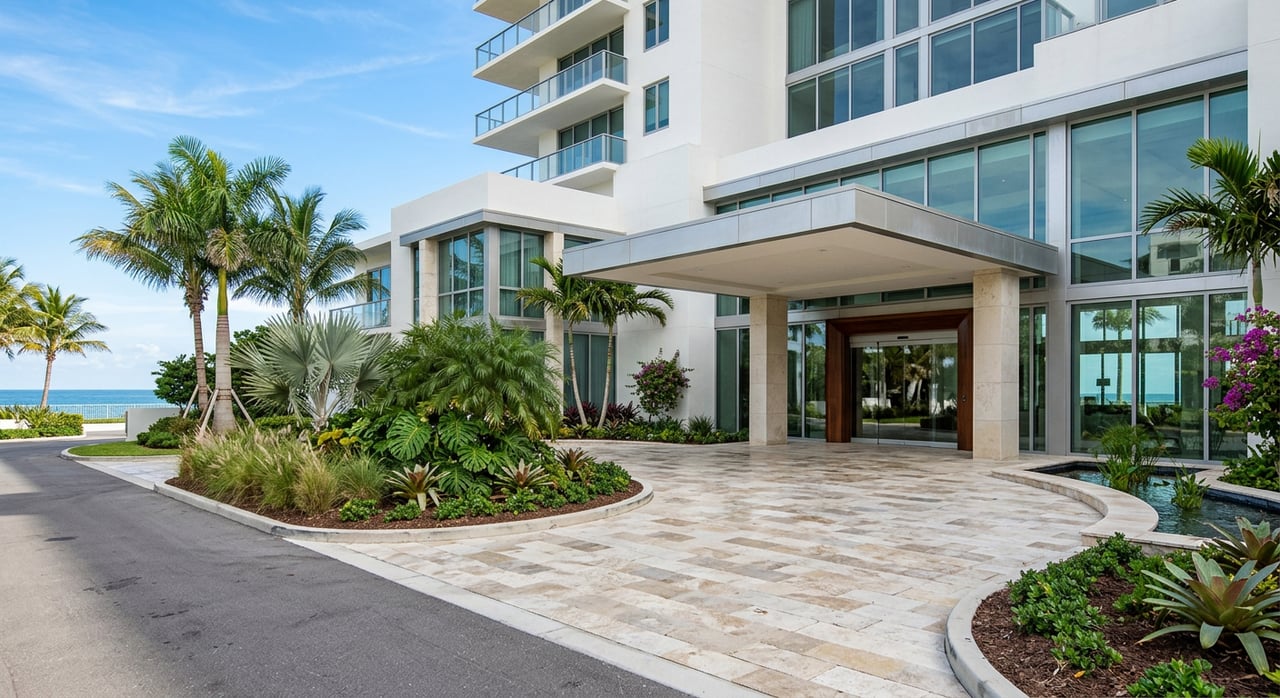
Trying to decide between a downtown West Palm Beach pied-à-terre or a place on Palm Beach island? You are not alone. Many seasonal and bi‑coastal buyers compare these two options because they deliver very different cost structures, leasing rules, and day‑to‑day lifestyles. In this guide, you’ll learn how the markets differ, what you’ll likely pay to carry each, what the law allows if you plan to rent, and how to run smart due diligence before you buy. Let’s dive in.
Quick snapshot: two great options
If you want city energy, walkability, and easier access to transit, downtown West Palm checks many boxes. If you want a quieter, beach‑forward setting with a refined retail core, Palm Beach island is in its own class. Market data and local rules highlight the gap:
- Pricing and inventory: Downtown West Palm offers a wider range of entry points and an active luxury tier, while Palm Beach island runs ultra‑luxury with fewer condo trades. See the latest figures in the West Palm Beach Q1‑2025 condo report from Douglas Elliman and Miller Samuel and the Town of Palm Beach snapshot from Corcoran. (Elliman report, Corcoran report)
- Leasing rules: Short‑term rentals are prohibited on the Town of Palm Beach. Downtown West Palm allows rentals in many buildings but requires city licensing and compliance. (Town of Palm Beach FAQ, City of West Palm Beach rental licensing)
- Carry costs and risks: Island ownership usually means higher maintenance dues and greater wind and flood exposure. Florida’s milestone inspection and reserve rules also increase the risk of special assessments in older high‑rises. (Milestone/SIRS overview)
- Lifestyle: Downtown West Palm is urban and walkable with waterfront activity, dining, and arts. Palm Beach island is quieter and club‑oriented with iconic Worth Avenue shopping. (Waterfront and walkability overview)
What you’ll pay: purchase and carry
Entry prices and liquidity
- Downtown West Palm Beach: The condo market spans modest units to new luxury towers, giving you more choice at varied price points. This broader buyer pool often supports better liquidity for mid‑tier condos. Review the Q1‑2025 metrics in the Elliman report for a sense of market structure. (Elliman report)
- Palm Beach island: Inventory is limited and the market is ultra‑luxury by nature. Expect higher buy‑ins and fewer comparable trades. The Corcoran report for Q1‑2025 shows the island’s elevated medians and the effect of multiple $5M‑plus closings. (Corcoran report)
HOA and maintenance dues
Association dues vary by building, services, and reserves. In downtown West Palm, many towers post maintenance in the low‑to‑mid thousands per month, though it depends on amenities and waterfront exposure. On the island, co‑ops and boutique condos often run higher. As one reference point, Worth Avenue co‑ops regularly list maintenance far above typical downtown figures. You can see the order of magnitude in a representative Worth Avenue listing. (Worth Avenue co‑op example)
What to verify in any building:
- Exactly what the monthly fee covers (master insurance, staff, reserves, utilities).
- Any recent or pending special assessments.
- Reserve study status and funding level.
Property taxes and millage
Millage rates vary by municipality, which affects your annual bill. The City of West Palm Beach’s FY2026 budget keeps millage flat, and the Town of Palm Beach sets its own millage. For a pied‑à‑terre, remember that Florida’s homestead exemption and Save Our Homes caps do not apply unless it is your primary residence. Ask for the last two years of tax bills and model the tax using the specific city’s current millage. (City millage update)
Insurance, flood, and milestone assessments
- Flood risk: Recent FEMA map updates have moved more Palm Beach County properties into Special Flood Hazard Areas, which can raise NFIP or private flood premiums and may trigger lender requirements. Check elevation and current flood status for any building you consider. (Flood map update context)
- Insurance costs: Florida wind and flood insurance remain under upward pressure, especially for coastal exposures. Get quotes early for the building’s master policy and your HO‑6 coverage, and note hurricane deductibles. (Insurance cost trends)
- Milestone inspections and reserves: Florida now requires milestone structural inspections and Structural Integrity Reserve Studies for many condo and co‑op buildings. Older properties that defer maintenance may face capital projects and special assessments. Confirm a building’s inspection status and any planned work. (Milestone/SIRS overview)
Leasing rules that can make or break your plan
Palm Beach island restrictions
If you plan to rent your pied‑à‑terre for short stays, the island is not the right fit. The Town of Palm Beach prohibits short‑term rentals and limits rental frequency for single‑family properties. Many condo and co‑op boards also impose lease length rules and board approvals. In practice, owners focus on personal use and longer seasonal leases, not nightly stays. Always confirm board rules before you write an offer. (Town of Palm Beach rental FAQ)
West Palm Beach licensing and compliance
West Palm Beach allows rentals in many zones and buildings, but you must comply with city licensing, business tax receipts, and safety standards. Your condo association’s rules still control minimum lease terms and frequency, and some buildings simply disallow short‑term use. If you lease for six months or less, you must register and remit the Palm Beach County Tourist Development Tax. (City rental licensing, Tourist Development Tax rules)
Practical takeaway
- For short‑term or flexible seasonal income, downtown West Palm can work if your building allows it and you secure proper licensing and tax compliance.
- For an on‑island residence, plan for personal use and multi‑month seasonal leases. Short‑term nightly rentals are off the table under town code.
Lifestyle and access: how each feels
Downtown West Palm Beach
You get an urban waterfront, restaurant and arts scenes, and easy access to events and cultural venues. Sidewalk life is active along Clematis Street and Rosemary Square, and the waterfront hosts festivals and boating activity. The area suits a lock‑and‑leave lifestyle where you can often walk to dinner, galleries, and the water. (Waterfront and walkability overview)
Palm Beach island
The island offers a quieter rhythm focused on the beach, manicured streets, and curated retail. Worth Avenue anchors the retail experience, and daily life leans toward privacy and routine rather than nightlife. It is a refined, beach‑forward environment that rewards owners who want serenity within minutes of top dining and shopping.
Getting around
Both locations are minutes from Palm Beach International Airport. If you plan to use rail, downtown West Palm provides direct Brightline access to other South Florida cities and frequent event trains during peak season. That convenience can matter if you expect visitors or business travel. (Event connectivity example)
Investment and use cases: which fits you?
- You want a pied‑à‑terre primarily for personal use with the option to lease seasonally for multi‑month stays. Either market can work. On the island, align with board rules and town code. Downtown, align with HOA policy and city licensing.
- You want short‑term flexibility or business travel stays. Downtown West Palm is the better fit if your building permits short‑term leases and you complete city requirements. The island prohibits short‑term rentals.
- You value maximum privacy, beach access, and a prestigious retail core. Palm Beach island is fit‑for‑purpose. Expect higher carry and a longer hold mindset.
- You want broader resale liquidity and a lower total monthly cost. Downtown West Palm often provides more options and a larger buyer pool.
No matter your aim, model net yield after HOA, taxes, insurance, cleaning and turnover costs, management fees, and vacancy. Ask for any historical leasing performance if available and confirm all policies with the HOA and municipality before you proceed.
Step‑by‑step due diligence checklist
Work this list for any unit you are serious about:
- Association documents. Get the current budget, reserve study, the last 12 months of board minutes, leasing rules, any litigation, and all notices of recent or pending assessments. If a Structural Integrity Reserve Study or milestone report exists, read it. (Milestone/SIRS overview)
- Milestone or recertification status. Confirm whether required inspections are completed and whether repairs are funded and scheduled. (Milestone/SIRS overview)
- Insurance quotes. Ask for the building’s master policy renewal terms and get an HO‑6 quote that includes wind. If applicable, get flood quotes and note hurricane deductibles. (Insurance cost trends)
- Flood elevation and maps. Verify the building’s elevation, FEMA zone, and any recent map changes that could affect premiums or loan requirements. (Flood map update context)
- Local rules and taxes. For Palm Beach island, confirm the town’s rental limits. For West Palm, confirm city licensing steps and timing. For any rental under six months, plan for Tourist Development Tax collection and remittance. (Town rental FAQ, City licensing, Tourist tax)
- Parking and storage. Confirm deeded or assigned parking spaces, guest parking, and any permit rules that affect daily life.
- Taxes and homestead status. Request the last two years of tax bills and run a sample calculation using the correct municipal millage. Pied‑à‑terres usually do not qualify for homestead benefits. (City millage update)
- On‑site services and management. If you will be away, price property management, turnover services, and any third‑party rental operator fees that apply to your building.
- Resale market cadence. Ask for recent days‑on‑market and list‑to‑close price trends for the specific building or micro‑market. The Elliman report is a helpful macro reference for West Palm market structure. (Elliman report)
Compare at a glance
Downtown West Palm Beach
- Broader pricing spectrum and buyer pool
- Potential for short‑term or seasonal leasing with proper licensing and HOA approval
- Walkable urban waterfront lifestyle close to dining and arts
- Typically lower dues than top‑tier island co‑ops, but building specifics rule
Palm Beach island
- Ultra‑luxury market with fewer trades
- Short‑term rentals prohibited. Seasonal leasing often allowed with restrictions
- Quieter, beach‑centric setting and high‑service buildings
- Dues frequently higher at the upper end, plus stronger wind and flood exposure
Ready to choose with confidence?
If you want a car‑light, event‑friendly base with optional rental flexibility, focus your search downtown. If you want a serene beach address and are comfortable with higher carrying costs and longer hold horizons, target the island. Either path can be the right one when it aligns with how you plan to use the home, your risk tolerance, and your time horizon.
If you would like a tailored shortlist, a modeled carry plan, and board document review before you write an offer, reach out. You can expect discreet, data‑driven guidance from search through closing. Connect with Frank Herz - Main Site to Request Private Market Access.
FAQs
What are Palm Beach island short‑term rental rules?
- The Town of Palm Beach prohibits short‑term rentals and limits rental frequency for single‑family properties. Many condo and co‑op boards also restrict leasing terms and require approvals. Review the town FAQ and building rules before you buy. (Town rental FAQ)
How do HOA fees compare between downtown West Palm and the island?
- Dues vary by building, but island co‑ops and boutique condos often run higher than many downtown towers. Check building budgets and reserve studies. As a reference point, Worth Avenue co‑ops commonly list higher monthly maintenance. (Worth Avenue example)
What inspections and assessments should I expect in Florida condos?
- Florida requires milestone structural inspections and Structural Integrity Reserve Studies for many condo and co‑op buildings. Older properties can face capital projects and special assessments. Ask for the latest reports and funding plans. (Milestone/SIRS overview)
How does flood risk affect a Palm Beach County condo purchase?
- FEMA map updates have placed more properties into Special Flood Hazard Areas, which can raise premiums and trigger lender requirements. Verify elevation, flood zone, and likely insurance costs during diligence. (Flood map update context)
Which area is better for seasonal rental income potential?
- Downtown West Palm can be workable if your building permits leasing and you complete city licensing and tax compliance. Palm Beach island is not a short‑term rental market due to town rules. Seasonal, multi‑month leases are the common island path. (City licensing, Tourist tax)